About Us
Climate Change

Climate change is causing enduring changes in global temperatures and weather patterns. Although some alterations happen naturally due to fluctuations in solar activity or significant volcanic eruptions, the primary driver of climate change since the late 1970s has been human activity. The widespread combustion of fossil fuels—coal, oil, and natural gas—during and following the height of the industrial revolution has greatly intensified these changes, transforming ecosystems and weather dynamics across the globe.
GHG - C02 and CH4
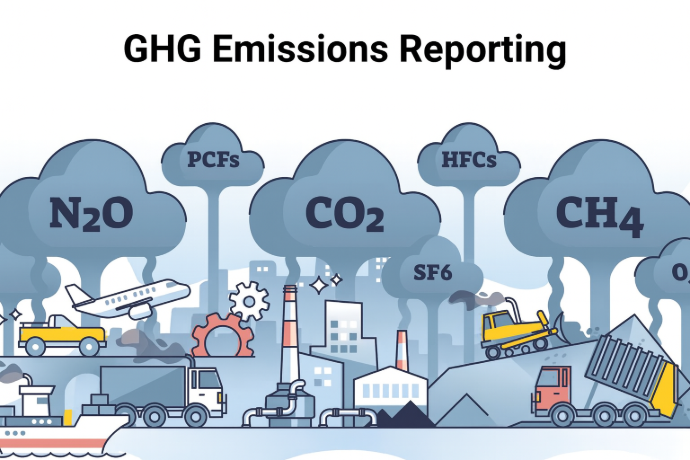
The burning of fossil fuels, including coal, oil, and natural gas, emits greenhouse gases (GHGs) into the atmosphere, forming a heat-retaining layer around the Earth that leads to increasing global temperatures. Among these emissions, carbon dioxide (CO₂) and methane (CH₄) are the main contributors to climate change and global warming. Fossil fuels are primarily utilized to fuel internal combustion engine vehicles, extract and refine oil for gasoline and diesel production, generate electricity through coal-fired power plants, and extract natural gas using hydraulic fracking. Consequently, activities associated with coal, oil, and natural gas continue to be major sources of GHG emissions.
Energy Sector Emissions
The effects are already evident through severe weather phenomena, increasing sea levels, extended droughts, catastrophic wildfires, and intense flooding. If we do not significantly cut greenhouse gas emissions, the habitability of our planet will keep declining.
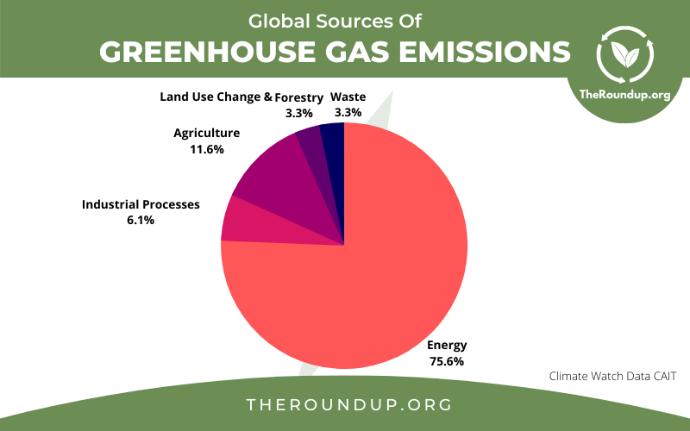
Fossil fuels are mainly utilized to produce electricity in coal-fired power plants, supply heating through natural gas and heating oil, and power transportation with refined gasoline and diesel. Over 70 percent of the greenhouse gases contributing to climate change stem from energy production via fossil fuel combustion.
The Greater Grid
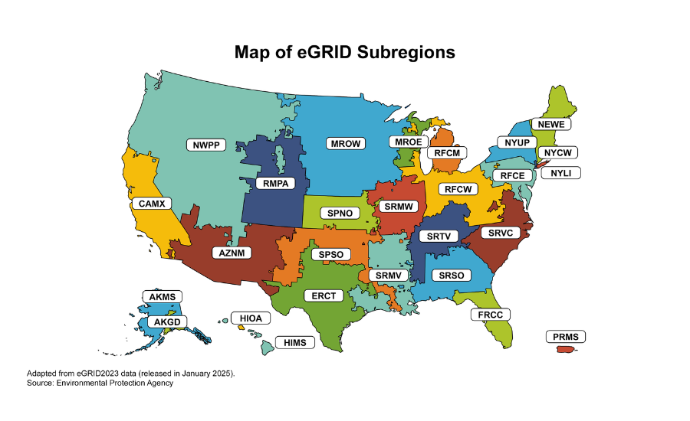
The centralized power grid is divided into several sub-regions, each functioning under either a regulated or deregulated system. Regulated sub-regions provide a single utility company with monopoly control, with rates established through negotiations with a State-sponsored Public Utility Commission (PUC). Conversely, deregulated sub-regions permit energy suppliers to determine prices based on changing market conditions, affecting the rates at which they sell electricity to utility providers.
Power Substations (Microgrid Gateway)
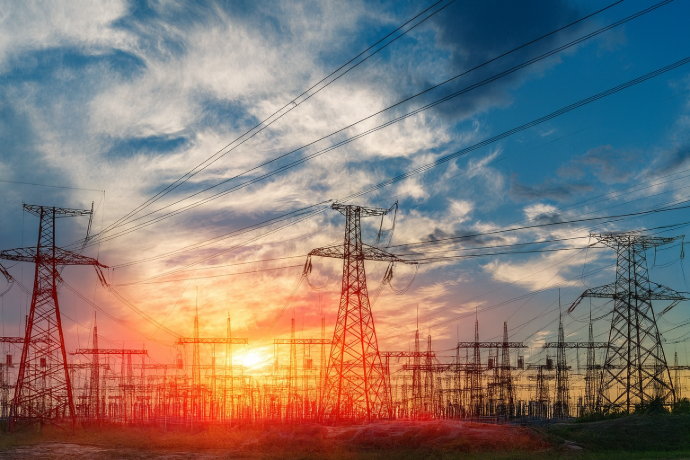
Energy distribution in these sub-regions is facilitated by a comprehensive network of power substations, which together create microgrids within the larger grid framework. Nevertheless, each substation represents a significant vulnerability—functioning as a single point of failure that is exposed to cyber threats, physical assaults, natural disasters, and congestion-related interruptions. These vulnerabilities can lead to serious and widespread power outages. Furthermore, a large number of these substations depend on fossil fuel-based generation, contributing to ongoing greenhouse gas emissions.
Residential and Commercial Solar Energy Ecosystems
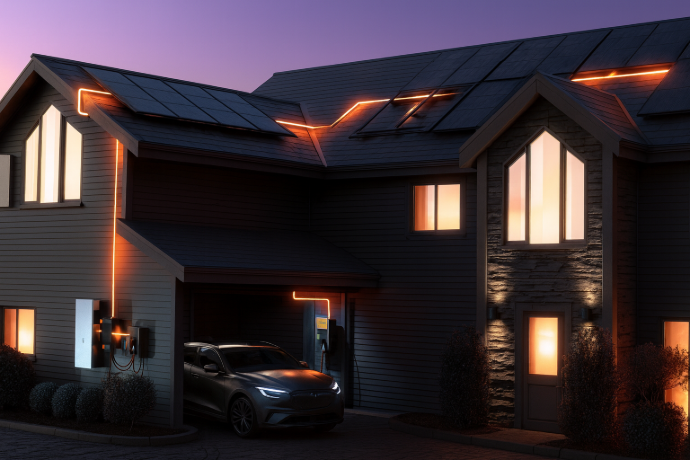
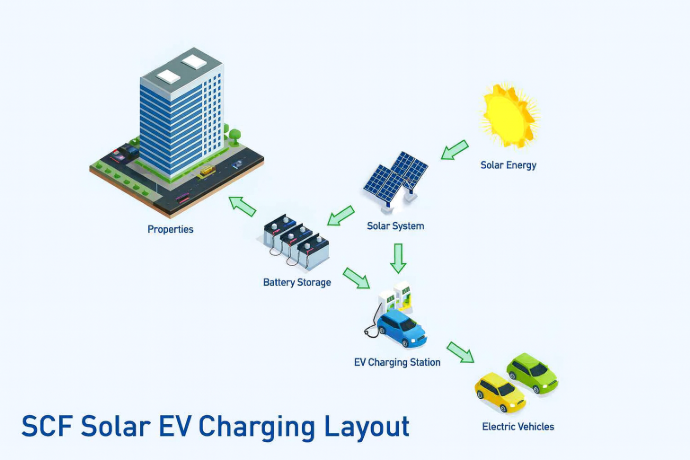
A highly effective approach to grid decentralization and emissions reduction involves the installation of rooftop solar arrays combined with battery storage and hybrid inverters. These systems form self-sustaining energy ecosystems, delivering dependable power for individual buildings or entire campuses while reducing dependence on the centralized grid. Additionally, strategically located utility-scale green energy solutions, such as Portable Nuclear Microreactor storage and power plants at critical congestion points, will create cohesive microgrids. These installations improve local energy resilience, transforming the centralized grid from a primary power source into a backup system, ensuring long-term reliability and sustainability.
Given the increasing instability of grid reliability, we recommend the installation of a non-electric whole-home backup generator to bolster resilience. For genuine energy independence, such a generator is essential. Furthermore, integrating an electric heat pump within the independent energy ecosystem is advisable to provide efficient heating and cooling solutions for both residential and commercial spaces.
The Internet of Things

Around 60% of electricity generation still depends on coal-fired power plants that supply the centralized grid. At the same time, most modern appliances and business applications are now classified as "smart," continuously connected to the internet. This means that the grid’s energy doesn’t just illuminate our spaces—it also keeps our smart technologies running. By developing commercial and residential energy ecosystems with integrated EV charging solutions, we can significantly reduce dependence on the centralized grid and create more resilient, sustainable power networks.
Utility-Scale Green Energy Systems & EV DC Fast Charging Stations
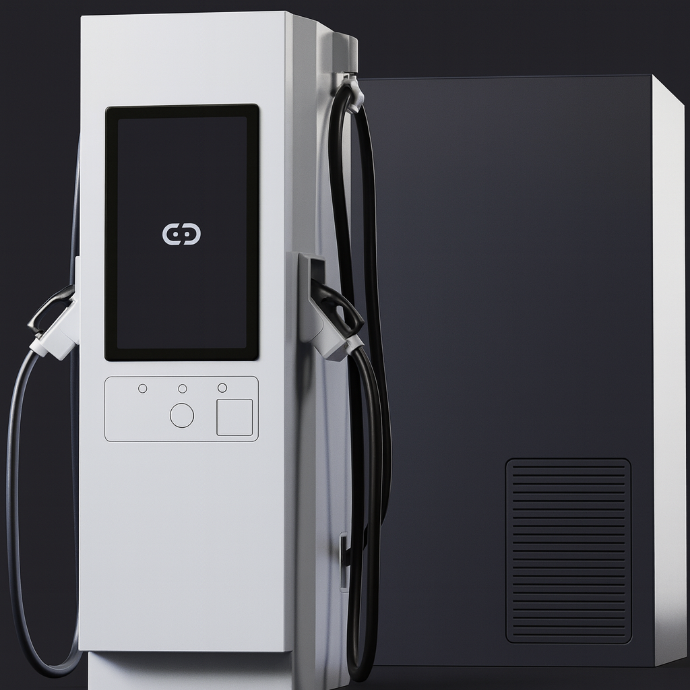
The persistent dependence on gasoline- and diesel-powered vehicles as the dominant mode of transportation continues to escalate atmospheric carbon dioxide (CO₂) levels. Fossil fuel consumption drives over 70% of greenhouse gas emissions, making it the primary force behind climate change. Transitioning to electric vehicles (EVs) is essential in significantly reducing emissions and mitigating the severe environmental impacts of global warming.
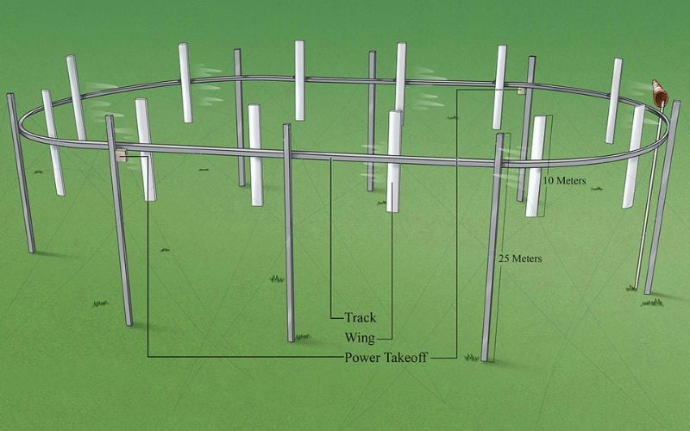
Addressing climate change demands a fundamental shift from centralized energy systems to distributed clean energy networks. This transformation begins with the widespread adoption of electric vehicles (EVs), replacing fossil-fuel-powered transportation. To support this transition, robust residential and commercial charging infrastructure must be integrated with Solar Energy Ecosystems, fostering energy independence at the individual and community levels. At scale, strategically deployed utility-grade renewables—such as Airloom Technology wind farms—paired with advanced energy storage at critical substations and EV DC Fast Charging microgrids across the country, will create interconnected microgrids. These systems will strengthen local energy resilience, redefine the centralized grid as a redundant backup, and secure a future of reliable, zero-carbon power.

REGISTERED AGENT
Karen
Wetterhall possesses more than 25 years of experience in business
administration, supported by a solid background in Accounting and Business.
Fueled by a steadfast dedication to sustainability, she recognizes the
essential role of green energy in tackling the challenges posed by climate
change. This enthusiasm inspired her to found Valhalla Energy Ltd—a Woman and
Veteran-owned enterprise—committed to providing innovative energy solutions for
a more resilient future.

FOUNDER/CEO
Pete
Wetterhall possesses more than 25 years of experience in business management,
supported by a Master of Science in Business Organizational Management from the
University of La Verne. His entrepreneurial spirit has enabled him to
effectively merge Fintech, Cybersecurity, Blockchain Technology, and Solar
Energy/Storage solutions, leading to the establishment of Valhalla Energy Ltd—a
progressive, Veteran- and Woman-owned company committed to innovation and
energy resilience.